




The ReflectPath framework doesn't just help with the decision in front of you. It changes how your team approaches every decision after. The noise gets quieter. The instincts get sharper. The wins stop feeling like luck.
Get clear on what's actually happening.




.svg)
Name what is blocking you.

Check your body, not just your brain.
.svg)


.svg)
Stop hedging. Back yourself fully.
Close the loop. This step is the data.
.svg)




When a revenue team can name the patterns behind its best quarters, winning stops being luck and starts being a system.
Your reps have closed some great deals. They've also lost deals they should have won. The difference is hiding in your CRM.
In this working session, your team digs into their own deal data from the last two quarters, identifies the patterns in their wins, and walks out with a personalized playbook they'll actually use. It's not a lecture. It's a lab where they do the work.
By the end, your team will know exactly what their best looks like and how to repeat it next quarter.
Learn more

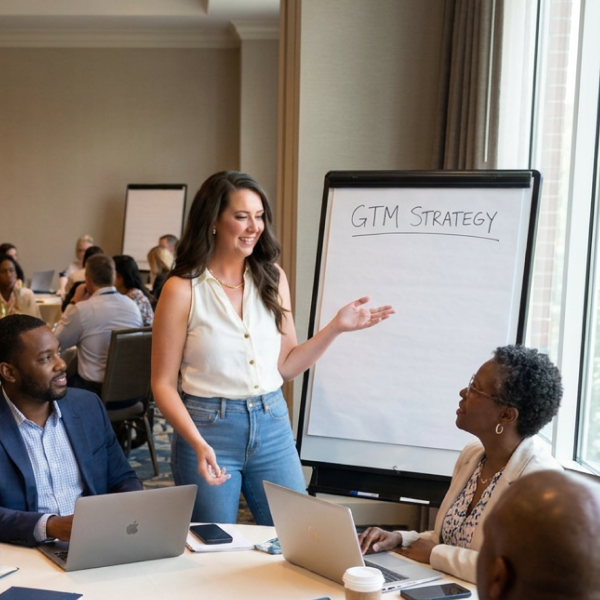
Your leaders make critical decisions every week. Who to coach. Which accounts matter most. When to push and when to hold. Most of them second-guess themselves after.
This workshop changes that. Your leadership team works through a decision-making system using real decisions they're facing right now.
They learn to access what they already know (your most underused leadership resource), combine it with the data, and decide with confidence.
They leave with a framework they can teach their teams. Decision-making gets faster, clearer, and more consistent.
Learn more
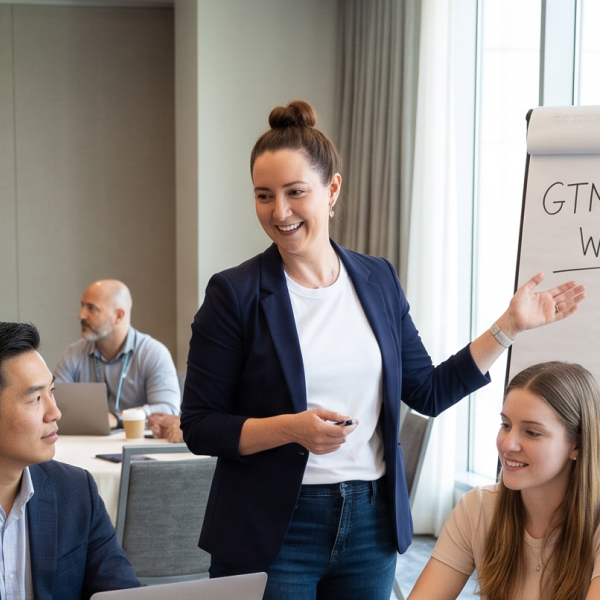

Revenue enablement architecture built into your specific operation.
One-off workshops are useful. Custom programs are transformative. Program Design isn't a training day. It's a system we build directly into how your team operates.
We start with diagnostics: what does your data show? What are the real execution gaps? Then we build a program tailored to your sales motions, your team structure, and your specific challenges. It becomes part of your operating rhythm, not something that fades after the event ends.
Learn more
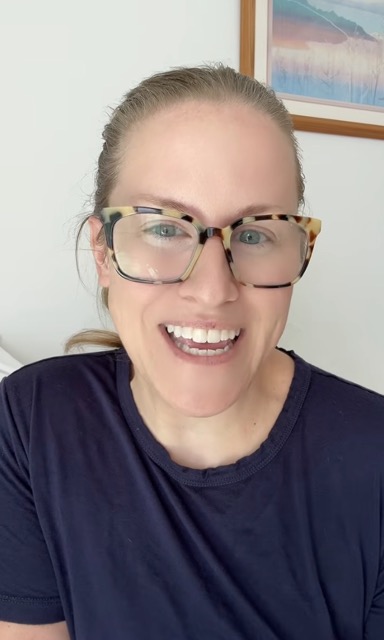
Fiona makes sure each participant gets it, that each of us is impacted in a real way by the end of her session. For me, that meant a shift in how I do something, and a process for identifying what to shift and how"
Close
.svg)
If you're leading a GTM, sales, or revenue team, or looking for a speaker who brings both energy and actionable insights, I'd highly recommend Fiona. She's incredibly knowledgeable, engaging, and genuinely cares about helping teams perform their best.

Close
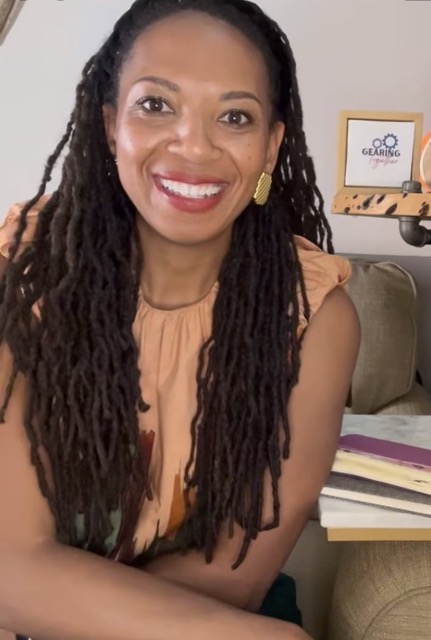
She's quirky, tell it like it is, but also knowledgeable. That makes her approachable and makes you want to ask the tough questions, to truly dig in and do the work.
Close
In go-to-market, we're pushed to move fast, and fast can mean expensive mistakes. What was refreshing about Fiona's framework is that it was super practical and easy to execute. She gave us tools we can use week after week to make better decisions with more clarity and confidence.
Close
For GTM teams up to 50 attendees. Additional T&E and facilitation costs based on size and location
For GTM teams up to 50 attendees. Additional T&E and facilitation costs based on size and location
Minimum 60 day engagement. Ideal for teams without a full time Enablement headcount.


Common Questions —
Most workshops fire people up for a week, then everything reverts. A real workshop changes how your team operates.
A good workshop surfaces what your team is already doing right and gives them a system to repeat it. It identifies where execution is inconsistent and builds targeted skills around those gaps. Most importantly, it gives your team language and a framework they can use next week, next month, next quarter.
The Pattern Lab workshop does this by starting with your actual deal data. Your reps see their own patterns, not generic case studies. They build their own playbook from their own wins. That sticks because it's theirs.
Half-day workshops work if you're focused. Full-day workshops work better if you want depth and time for real practice.
The difference: half-day gets your team through the framework and walking out with a playbook. Full-day adds hands-on practice time where reps apply the framework to deals they're actually working. Managers can facilitate their teams through real scenarios. That extra time is where behavior starts to shift.
Neither format is a one-and-done. A good workshop is the beginning of a system, not the end of it. If you want lasting change, plan for follow-up and accountability after the event.
Yes. That's the whole point.
The Pattern Lab workshop flexes to your team. We work with your actual CRM data, your sales motions, your team structure. Your reps analyze their own deals, not hypothetical ones. Your leaders identify the gaps that matter to your business, not generic skills.
If you need something more comprehensive, the Program Design option takes it further. We don't just run a workshop. We build an enablement system tailored to how your organization actually operates. Either way, customization isn't an add-on. It's the baseline.
Training tells you what to do. A workshop gets you to do it.
Training is usually lecture-based. Someone talks, you listen, you take notes. Most of it disappears by Tuesday. A workshop is a working session. Your team is doing the work, not watching someone else do it. They're applying frameworks to their own situations, discovering patterns in their own data, building their own playbooks.
The other difference: training is about someone else's methodology. A workshop is about systematizing what's already working for your team. Your best quarters contain more useful intel than any generic framework. We just help you name it and repeat it.
That's why workshops stick and training usually doesn't.


.svg)
